The concept of money-making games (also known as “get-paid-to-play” games) has been around for a while. Many practitioners have tried their hand in this field; however, due to the unique nature of such games, most operate quietly to profit. For those interested in entering the space, it is easy to feel lost without proper guidance. This article will interpret and provide insights into money-making game products, covering their development and current forms.
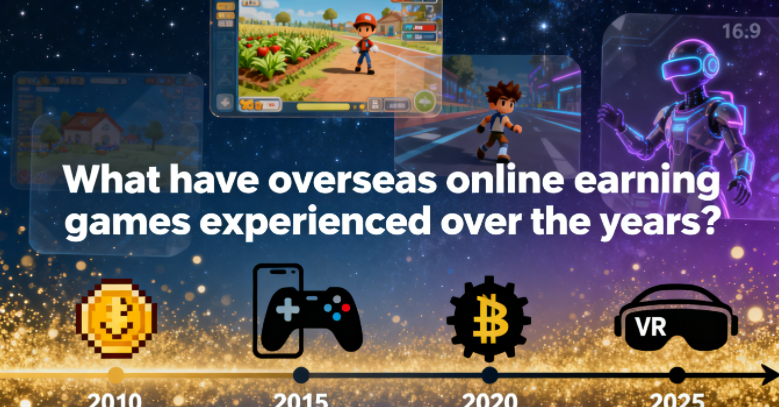
01 A Chronology of Money-Making Games
Based on the industry’s development trajectory, the evolution of money-making games can be divided into three phases:
Phase 1: The Golden Era (Early 2018 – December 2019)
This marked the golden age of money-making games. Some of China’s earliest companies ventured into this model to expand their business. Toward the end of this phase, in late 2019, the first major shift occurred with issues arising on AdMob.
Phase 2: The Silver Era (January 2020 – July 2020)
Between September and December 2019 (the lead-up to this phase), many early pioneers in money-making games had their AdMob accounts banned. Learning from this, the industry realized that AdMob enforces account linking for bans (i.e., banning linked accounts collectively).
In early 2020, early adopters in the money-making game sector persisted. A critical turning point emerged in March–April 2020, when almost all AdMob accounts were banned. Another key sign of the Silver Era was the change in Facebook’s monetization policies; during this period, some AdMob accounts were even terminated within a month or half a year.
In July 2020, Facebook released explicit guidelines for ad campaigns. After the announcement, the advertising sector faced severe restrictions, making it impossible to directly use money-making game-related materials. Meanwhile, TikTok (referred to as “TT” in the industry) performed well in Indonesia, so many practitioners shifted their focus to Indonesia, achieving significant growth in user acquisition and related areas.
Phase 3: The Bronze Era (August 2020 – August 2021)
For persistent pioneers in money-making games, the industry became increasingly challenging during this phase.
In August 2021, Facebook explicitly prohibited the monetization of money-making games, bringing the Bronze Era to an end.
In summary, Google Play has not yet completely blocked the path for money-making games. However, as policies continue to evolve, it has become a test of a team’s operational capabilities. Many practitioners have no issues with their products or user acquisition, but they face significant pressure in terms of operational isolation and account management.
02 Monetization of Money-Making Games
The following is a summary of the most widely used ad platforms, based on product research:
- Facebook: The most commonly used monetization platform. It works well when the user volume is small in the early stages. However, if the user volume grows later, restrictions may arise. It is recommended to reduce its usage ratio or disable it; otherwise, it may trigger inspections and lead to app removal.
- AdMob: Since May this year, AdMob requires linking to a product for monetization. However, Google Play still does not allow linking to money-making games, which are classified as non-compliant products on AdMob. Therefore, AdMob could not be used with linked apps for money-making games before May this year.
- Applovin: Delivers good monetization results. It supports its own MAX mediation platform and bidding-based monetization.
- Unity: One of the platforms with relatively good monetization performance besides Facebook and AdMob; its use is recommended.
- Ironsource: Offers good monetization effects. It supports its own mediation platform and bidding-based monetization.
- Adcolony: Supports bidding-based monetization.
- Vungle: Now supports bidding-based monetization with good results.
- Chartboost: Supports waterfall-based monetization, with strong performance in video ads and interstitial ads.
It should be noted that for monetization platforms, more mediation platforms do not equal better results. Based on past experience, if ad fill rates are guaranteed, mediating 5–7 platforms generally yields the best results.
Additionally, Facebook has a specific restriction: new products typically undergo traffic-limited reviews, with daily monetization capped at $20. To lift this limit, the product generally needs to achieve around 300 daily ad impressions for 10–15 consecutive days. Other ad platforms do not have such traffic limits and can be used normally.
03 Ad Configuration for Money-Making Games
Bidding Configuration
Initially, all integrated ad platforms can be configured for bidding. Later, adjustments can be made based on data performance (e.g., disabling some platforms or switching them to waterfall mode).
Waterfall Configuration
- Set the eCPM (effective Cost Per Mille) as high as possible. The eCPM gap between each ad slot should be controlled at $10–$15, and the number of slots should be limited to around 10. Some platforms may restrict the number of slots, so adjustments (e.g., reducing the number) can be made accordingly. Later, eCPM prices can be adjusted or underperforming slots can be disabled based on fill rates.
- Ad settings should be tailored to different countries:
- For T1 countries (high-income countries like the US, UK, and Japan), the maximum eCPM for top slots can be set to $200, and the minimum to $7 (adjustments can be made based on the product’s actual performance).
- For T2 countries (middle-income countries like Malaysia and Thailand), the maximum eCPM for top slots can be set to $150, and the minimum to $5.
- For T3 countries (lower-income countries like India and Pakistan), the maximum eCPM for top slots can be set to $60, and the minimum to $1.
- For regions like Brazil, Vietnam, and Indonesia, the minimum eCPM can be set to $0.5 (adjustments can be made later based on fill rates).
The above slot configurations apply only to rewarded videos and interstitial ads. Banners can also use mediation, but the number of tiers for slots is recommended to be no more than 5. For T1 and T2 countries, the minimum eCPM should be $1; for T3 countries, it should be $0.2–$0.5. Whether using bidding or waterfall mode, not setting a floor price will significantly reduce overall monetization performance.
For ad slot configuration on the same platform, the eCPM price range should be as wide as possible. Otherwise, lower-priced slots may “steal” traffic from higher-priced ones, leading to a drop in the overall eCPM.
Adjustments can also be made based on the product, including changes to high/low eCPM prices and the number of slot tiers. If a platform limits the number of tiers (e.g., not allowing 10 tiers), adjustments should be made to comply with the platform’s restrictions.
04 Profile of a Money-Making Game: Lucky Day
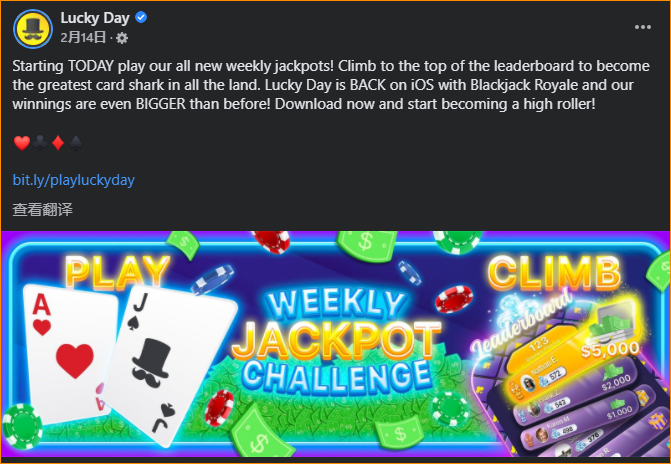
Lucky Day is an early money-making game, launched in 2015. To date, it remains active on app store rankings.
From 2015 to the present, Lucky Day has accumulated over 32 million downloads. From the perspective of money-making games:
- Its 1-day retention rate is average, at only 26%.
- Its 30-day retention rate is strong, at 8%.
The reason for this discrepancy is that money-making games often leave a negative first impression on users, causing most players to close the game shortly after their first launch. However, users who find the game engaging tend to stay, resulting in solid long-term retention.
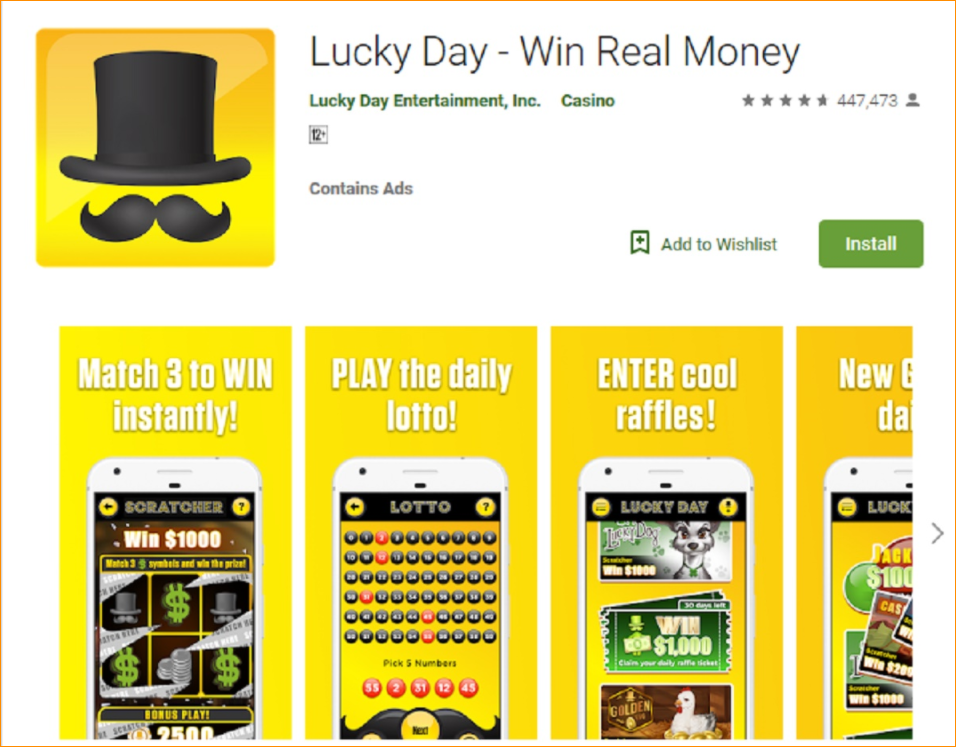
Lucky Day primarily utilizes Vungle, Ironsource, and AdColony as its key promotion channels. For monetization, its main channels are AdColony, Vungle, and UnityAds.
Lucky Day currently maintains a high ranking. It has once claimed the top spot in the Casino category rankings in multiple countries and has consistently kept a high position in recent years.
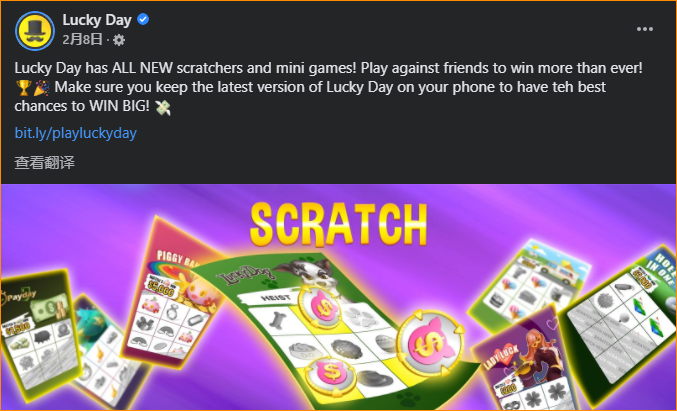
The core gameplay of Lucky Day revolves around scratch cards. Upon entering the game, players are presented with a scratch card; by swiping their fingers across it, they can reveal the results of the draw.
The prizes mainly include in-game coins and cash currency. Cash currency is a common type of currency used in most money-making games, designed to encourage players to withdraw funds at a later stage.
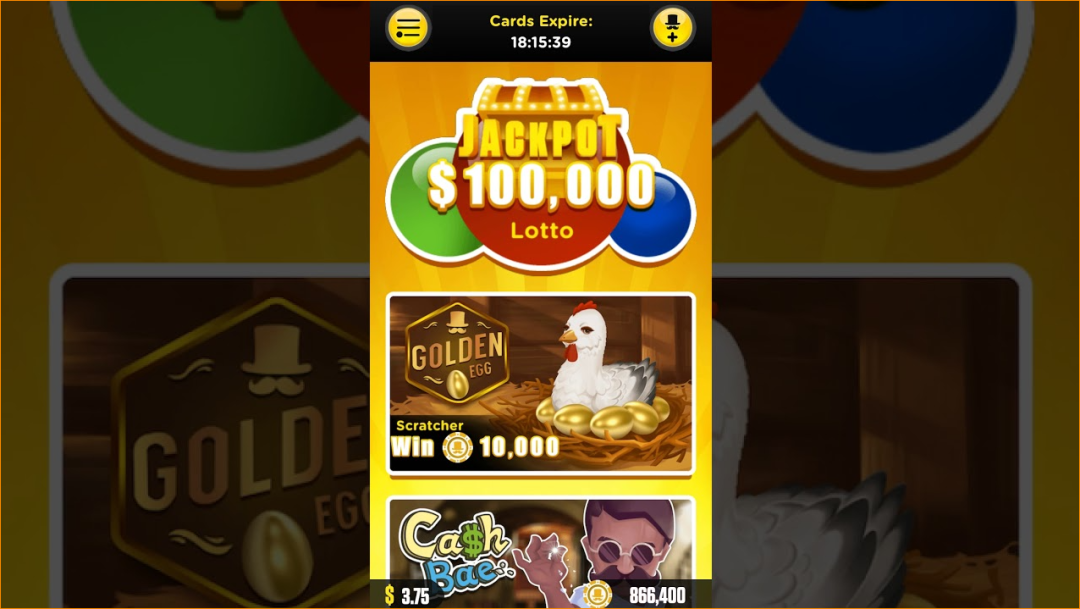
The game also features a currency type called tickets. Players primarily collect tickets within the game, and the system generates irregular ticket-based rankings every day. Rewards corresponding to their ranking positions are distributed, mainly in the form of unlocking chests to obtain in-game coins or cash currency. This mechanism aims to stimulate players to maintain active engagement in the game.
Beyond that, the game includes double-color lotteries and lottery tickets for various prizes. Players select a number of balls, and the lottery results are announced the next day or after a specific period. Different rewards are granted based on the number of matching balls they selected.
Lucky Day also incorporates other reward-based tasks. For instance, if a player downloads a designated game and reaches level 20 within 10 days, they can earn in-game currency as a reward.
After years of updates, Lucky Day now offers far more gameplay features than many other money-making games. Most money-making games only consist of a single core gameplay loop plus a money-earning framework, which is not the case for Lucky Day.
In May this year, Lucky Day even added in-app purchases (IAP) — a feature rarely seen in typical money-making games. The in-app purchases mainly allow players to spend money on buying scratch cards, which are divided into several tiers. For example, players can purchase 3 scratch cards for $3, or 25 scratch cards for $100.
These paid scratch cards can yield cash or in-game coins, a feature that has attracted significant interest from many players. From a data perspective, the performance of the scratch card IAP was modest when it was first launched. However, by September this year, the in-app purchase revenue suddenly saw strong growth — indicating that players have now developed a much higher level of acceptance toward this paid feature.
In-app purchases (IAP) also allow players to remove interstitial ads from the game. Interstitial ads mainly appear at the end of a scratch card session. If players find these ads disruptive to their gaming experience, they may choose to pay to block them.
The primary monetization method of Lucky Day is ad monetization, which is closely tied to the scratch card feature. Specifically, players are required to watch a rewarded ad each time before they can unlock a scratch card — only after completing the ad viewing do they gain the 资格 to open and use the scratch card.
If a player does not win a prize with a scratch card, the system will pop up a rewarded ad window, allowing the player to watch another ad. After viewing this second ad, the player gets a chance to scratch a new card. This mechanism effectively encourages players to watch rewarded ads continuously.
Another monetization method is task-based monetization through app downloads. Players complete fixed tasks in other games and then return to Lucky Day to claim rewards.
Besides such incentive mechanisms, there are specific dedicated sections in the game with function buttons for watching rewarded ads. Tapping these buttons allows players to directly earn in-game coins — for example, receiving 1,000 coins or a trophy per ad viewed. Trophies serve as the basis for ranking rewards; ranking rewards are calculated and distributed at regular intervals, after which trophies are reset. The higher a player’s ranking, the more coins they receive as a reward.
The last monetization method is interstitial ads. These ads pop up randomly after a scratch card session, with a very high frequency. This is why the game has added an in-app purchase mechanism that allows players to remove interstitial ads.
There is also a universal feature in money-making games: cash withdrawal, which comes with certain requirements. The minimum withdrawal amount is $10 (and this is the only withdrawal threshold available). To withdraw $10, players need 40 million in-game coins. Alternatively, 40 million coins can be exchanged for a $40 Amazon gift card.
Profile of Plinko Master
Plinko Master was launched in June 2020. It performed best from June to October last year, securing the top rank in the Casual category in multiple countries. However, its ranking on the charts has been relatively low this year.
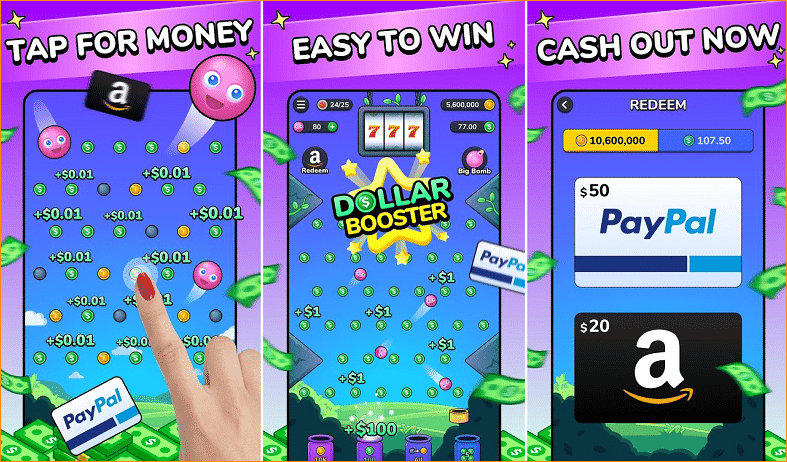
The gameplay of Plinko Master is also extremely simple. There is a small ball displayed on the game screen; when the player taps the screen, the ball falls from the top of the screen. At the bottom of the screen, there are several pipes — if the ball lands in one of these pipes, the player earns the corresponding amount of in-game coins or cash currency. Additionally, there are obstacles placed in the middle of the screen, which block the ball from falling into the pipes.
Similar to Lucky Day, players of Plinko Master can also obtain two types of currency: one is coins, and the other is US dollars. There are no in-app purchase entry points in the game — only a cash withdrawal entry. Its main source of revenue is also ad monetization, and the game has set up numerous ad monetization touchpoints, making it easy for players to interact with them.
The most basic form of ad monetization in the game works as follows: when the player runs out of balls, the only way to get more balls is by watching rewarded ads. Each rewarded ad viewed grants the player 30 balls, and the number of balls is the foundation for earning coins and US dollars.
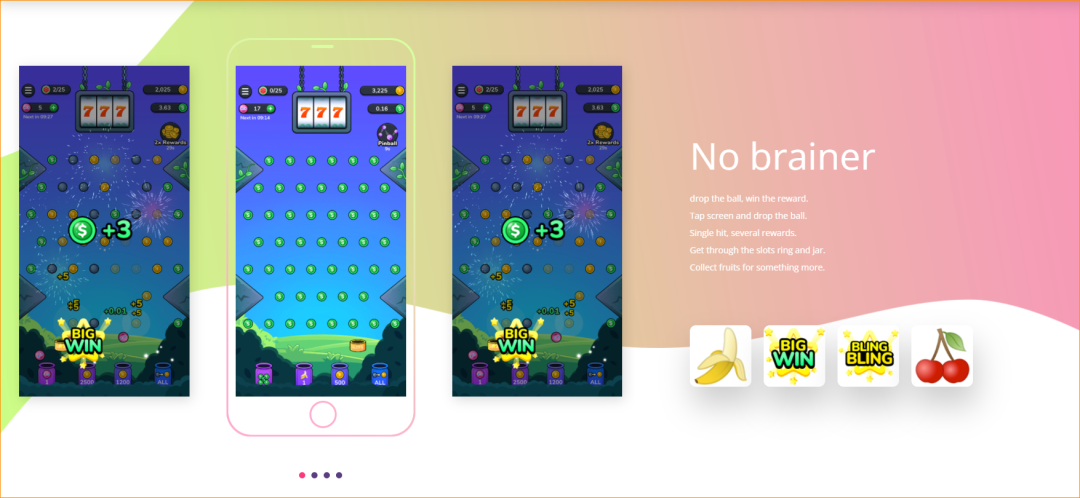
To further encourage players to engage with rewarded ads, the game also features a Slot wheel. The Slot wheel is triggered through specific methods; once the activation conditions are met, the wheel spins and may reward players with coins or US dollars.
If the wheel spin yields no reward, the system will prompt the player to watch another rewarded ad. Viewing this ad grants the player an additional spin 机会,and this cycle repeats—with rewarded ads continuing to appear—until the player wins a reward. Of course, players also have the option to close the ad and forgo the extra spin.
The game also includes buff effects to help players earn in-game currency more quickly. For example, during gameplay, a buff icon may suddenly appear on the side of the screen. By watching a rewarded ad, players can activate this buff, which then doubles their earned coins by 1.5 times for a duration of one or two minutes.
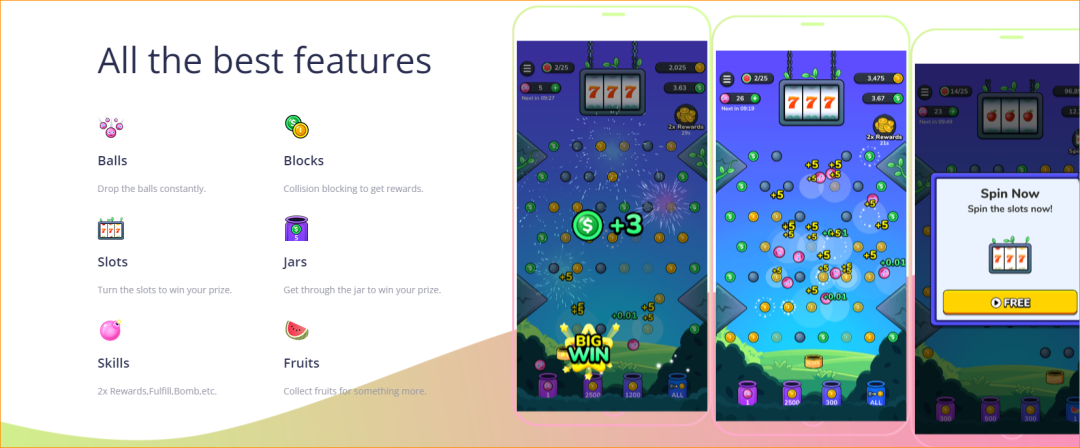
To earn more coins and US dollars in the game, players are driven to watch ads constantly, and the frequency of ad viewing is extremely high. Excluding the ad duration itself, players need to watch at least 2–3 rewarded ads every minute or so during gameplay.
In addition to rewarded ads, the game also incorporates interstitial ads. These ads appear when players tap on certain functional interfaces—especially when closing these interfaces, the probability of interstitial ads popping up is relatively high. However, since there is no in-app purchase system in the game, players have no way to disable these interstitial ads. In other words, players are not only required to watch rewarded ads but also have to put up with the intrusion of interstitial ads while playing.
Withdrawal Rules of Plinko Master
Plinko Master’s withdrawal requirements differ from those of Lucky Day, with the following specific rules:
- Players can exchange 4 million in-game coins for a $1 Amazon gift card.
- They can exchange 15 million in-game coins for $3 via PayPal.
- They can exchange 100 in-game cash currency units for $100 via PayPal.
Beyond these, the redemption conditions set by the game are extremely difficult—bordering on impossible to meet. While the amount of currency players earn in the early stages is relatively substantial, as the game progresses, the currency obtained in the later stages becomes less and less. Eventually, players may end up getting no rewards at all. However, this issue is only discovered by players who have spent a long time playing the game. By the time players realize this and leave, the game has already extracted all remaining value from them.
Profile of Rolling Luck
Casino-themed money-making games have been quite popular this year, and their presence has been consistently seen on Casino category rankings over the past two months. Since such games have no in-app purchase features, they can only be listed on the Free Charts and are nowhere to be found on the Top Grossing Charts.
Rolling Luck is one of these Casino-themed money-making games. Its gameplay is similar to that of slot machines: there is only one slot machine model in the game. After entering the game, players directly access the core slot machine function—they spin the machine to earn in-game coins and cash.
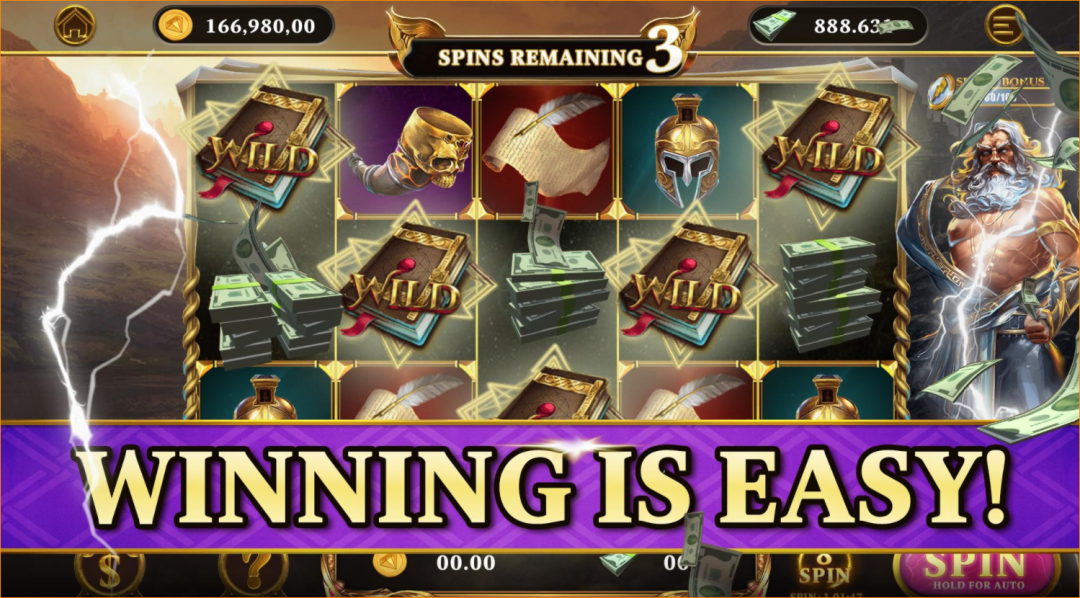
This type of money-making game differs slightly from regular slot games in terms of gameplay. Regular casual slot games provide players with some initial coins, allowing them to spin the slots to win more coins.
However, the slot feature in money-making games does not consume players’ in-game coins; instead, players need to earn coins within the game. Therefore, the game initially grants players 10 chances to spin the slots. Once these chances are used up, players can obtain additional spin chances by watching rewarded ads.
Besides this method, the game also automatically grants one spin chance every minute, with an upper limit of 10 chances (i.e., players can accumulate a maximum of 10 unused spin chances at a time).
Secondly, the game has added Lucky Chests. These chests pop up very frequently—about twice per minute. Lucky Chests create a sense of excitement for players, and opening them rewards players with a small amount of in-game currency. While Lucky Chests are quite attractive to players in the early stages, their appeal gradually diminishes over time, so their role becomes much less significant in the later stages of gameplay.
The game also includes a Golden Pig Piggy Bank. Most regular slot games have a piggy bank feature: as players keep using the piggy bank function, coins gradually accumulate inside it. When the coins accumulate to a certain amount, players will want to open the piggy bank. In casual games, opening the piggy bank usually requires real money; in contrast, in this money-making game, players only need to watch a rewarded ad to open the piggy bank.
Similar to casual games, Rolling Luck also offers buff rewards, which can be obtained by watching rewarded ads (note: “集体广告” is interpreted as “rewarded ads” here, as it aligns with the context of ad monetization in money-making games). For example, within a specific time frame, the buff allows players to earn more coins from subsequent slot spins, provides free slot spin chances, or increases the probability of winning big prizes.
Special events are also triggered during gameplay: when players collect a certain number of special items, a new mini-game is unlocked. These mini-games reward players with free chances, and players can also obtain more chances by watching rewarded ads.
Interstitial ads in Rolling Luck are triggered in a similar way to other money-making games: when closing certain functional interfaces, there is a chance that an interstitial ad will pop up.
Withdrawal Rules of Rolling Luck
Rolling Luck has four withdrawal/redemption options:
- Collect 20 million in-game coins to redeem a $200 Amazon gift card.
- Collect 40 million in-game coins to redeem $5.
- Collect 80 million in-game coins to redeem $10 in cash via PayPal.
- Redeem 100 units of in-game cash currency for $100 in cash.
Currently, most money-making games have relatively rigid withdrawal rules, with no flexible redemption options. For instance, if a player wants to exchange 1 million coins for $1, it is not allowed—they must meet the fixed thresholds set by the game to withdraw funds. When players attempt to withdraw without meeting the requirements, the system only notifies them that the operation cannot be completed, without guiding them on how to access the withdrawal entry or meet the conditions.
Summary of Money-Making Game Features
The above are the key features of some money-making games. In summary, whether it is casual-themed or slot-themed money-making games, their core logic is largely the same: stimulating players to click on ads through ad monetization mechanisms, and generating revenue from these ad interactions.
05 Key Points for Money-Making Game Ad Materials
1. Ad Platform Strategy on the Launch Side
- Google does not perform well for launching money-making games, though it has made rapid progress in many other fields.
- When the user acquisition volume is small, Facebook can be used for ad launches. However, when the volume grows larger, if there is no proprietary ad network, timely adjustments to the launch strategy are necessary.
- Industry pioneers are constantly experimenting with new approaches, but generally, the strategy should focus on ad networks combined with bid optimization.
For example:
- In Europe and the United States, if launching a Puzzle-to-money-making game or a casual-to-money-making game, the maximum bid should be around $1.5 (note: the currency unit “1.5元” is interpreted as “$1.5” here, considering the context of global ad launches).
- For Casino-themed money-making games, the bid needs to be much higher. While other channels can also be used for user acquisition, the main channels that can drive large-scale user acquisition are still Unity Ads and Ironsource.
2. Core Types of Ad Materials for Ad Networks
There are two main types of ad materials used for ad network launches, with the first being gameplay demos (试玩). The key requirements for this type of material are as follows:
- Game Content: The gameplay shown must be sufficiently satisfying, with either a fast pace or exciting highlights (e.g., big wins).
- Reward Effects: When rewards are obtained (e.g., coins, cash), the visual effect of the currency should be eye-catching—such as a screen filled with coins. The effect must be striking, and the animation speed should not be too slow.
- Sensory Feedback: Vibrate the screen in sync with key gameplay moments (e.g., when winning a reward) and add timed sound effects to enhance player immersion.
- Background Music (BGM): Use catchy, addictive BGM; popular trending BGM can also be used to leverage current trends and attract attention.
- Urgency Incentives: Incorporate countdown elements for reward collection in the material, and emphasize “limited time” or “limited quantity” offers to boost click-through rates (CTR) and download rates.
Finally, it is recommended to create H5 playable ads.
To summarize, playable ads can integrate all the aforementioned elements (such as striking reward effects, sensory feedback, and urgency incentives), delivering a stronger sense of immersion to users and thereby prompting them to download the game. When rewards are displayed in the H5 playable ad, the currency effect must be eye-catching—for example, a screen filled with coins. The visual impact of the currency should be impressive, and the animation speed should not be too slow.
The second approach is the “delicate niche strategy,” which suggests focusing more on the sharing and referral side.
By enabling users to earn rewards through sharing the game and attracting new players (referral programs), this method works exceptionally well in T3 countries. It also helps gradually reduce reliance on Facebook and Google for monetization.
On the system side, some developers have started splitting NFTs into fragments and providing these NFT fragments to players (as a way to enhance user engagement and retention).
On the monetization side, it is crucial to consider: Can the game still achieve sustainable growth if it moves away from the two major platforms (Facebook and Google)?
On the user acquisition side, there may still be untapped opportunities in some “niche segments” (referred to as “亚空间” in the original text, meaning underserved or less competitive market niches).
06 Driving Product Development with Data
Kochava’s Data Services
In addition to providing third-party attribution tracking services, Kochava also offers an independent DMP (Data Management Platform) data service that is separate from its attribution business. Therefore, in terms of data, Kochava also provides relevant services to advertisers and partners.
- For one group of money-making game clients, there is still room for user growth. These clients do not require advanced attribution functions, nor are they willing to pay for attribution services—they only need basic attribution data. To cater to this demand, Kochava has launched a completely free attribution product.
- Another group of clients may have already optimized their user base through initial operations and now aim to leverage data to enhance precision in user acquisition or improve refined product operations.
Kochava’s attribution service can be integrated with all currently used self-attributing major media platforms and various network DSPs (Demand-Side Platforms).
The data service is an independent business. The following provides a rough overview of the scale of its data pool: Currently, there are approximately 10 billion global devices, and the number of monthly active revenue-generating devices is around 1 billion.
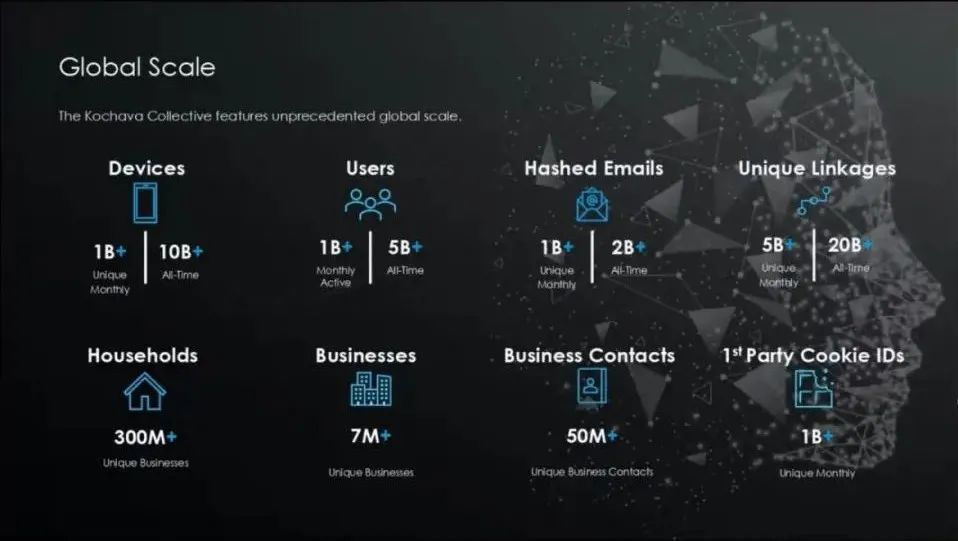
In the U.S. market, Kochava also supports Device ID-Hashed Emails matching and Device ID-Household matching (i.e., linking a single device ID to multiple devices within the same household, enabling household-level user analysis).
Every DMP product has its own advantageous regions, and Kochava excels primarily in the U.S. and North America. In these regions, Kochava stands out with its large data volume, high data quality, and rich data dimensions. Following North America is South America—a key region for money-making game products, with Brazil being a notable example. Next in line are the Middle East and Southeast Asia, where Kochava also maintains solid data coverage.
How to Utilize Data: Core Tool & Platform Limitations
The most fundamental way to leverage Kochava’s data is through the Audience Builder (audience creation tool).
Virtually all media platforms offer the “Filter Target Audience” function to varying degrees. However, a key limitation exists: the target audiences generated by major media platforms (e.g., Facebook, Google) can only be activated and used for ad delivery within the respective platform. Additionally, these platforms do not allow the export of corresponding Device IDs, restricting cross-platform application of the segmented audiences.
The diagram below outlines several key dimensions available for audience filtering (e.g., user demographics, device attributes, behavioral preferences, and in-app activity).
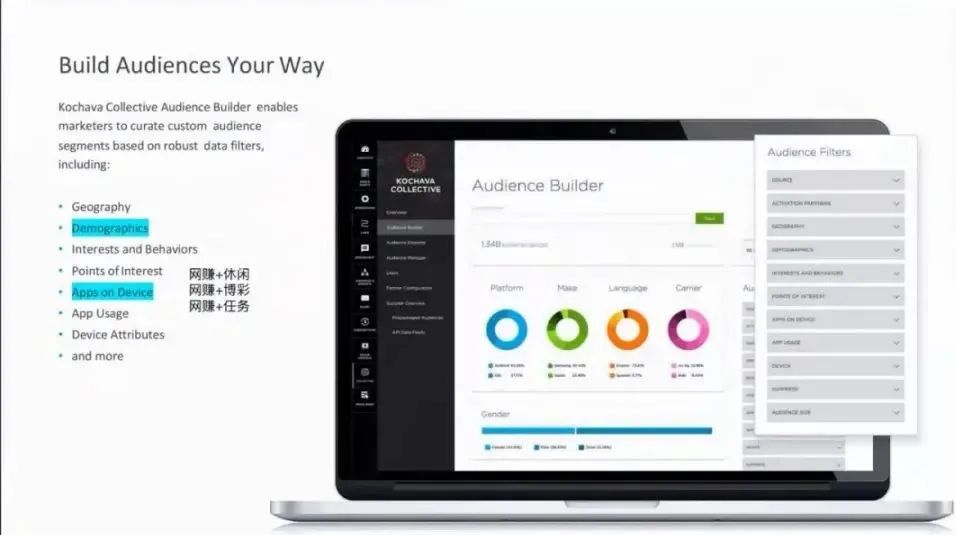
When using tools like Audience Builder to filter target audiences, the following core dimensions are commonly used, with specific focus areas tailored to money-making game products:
1. Core Filtering Dimensions
- Geographic Location Data: Basic location information of users, such as country, region, city, and even postal code, which serves as the foundation for regionalized user acquisition strategies (e.g., prioritizing Brazil for T3 country-focused money-making games).
- POI (Point of Interest) Based on Offline Geographic Data: User interest points derived from offline location behavior, such as frequent visits to shopping malls, cafes, or entertainment venues. This helps infer user consumption habits and lifestyle preferences, aiding in refining audience positioning.
- App Information & Usage Behavior on Devices: Details about apps installed on users’ devices and their usage patterns (e.g., app opening frequency, usage duration, and in-app actions). This is a critical dimension for money-making games (see detailed analysis below).
- Device-Related Information: Attributes of the user’s device, including device brand, model, operating system (iOS/Android), system version, and network type (4G/5G/Wi-Fi). This helps optimize ad delivery compatibility and target users with devices that offer better gameplay experiences.
2. Critical Focus for Money-Making Games: “Apps on Device”
For money-making game products—whether they are “money-making + casual,” “money-making + casino,” or “money-making + task” models—their target user groups overlap significantly with users of casual games, casino-style games, and cash reward apps.
By analyzing the “Apps on Device” dimension (i.e., identifying which apps a user has installed), developers can:
- Screen for user groups with high relevance: For example, if a user has installed popular casual games (e.g., match-3 puzzles) or casino-themed apps, they are more likely to be interested in “money-making + casual” or “money-making + casino” products.
- Build targeted user segments: Group users based on the types of apps they already use, then launch personalized ad campaigns for each segment to improve user acquisition efficiency and conversion rates.
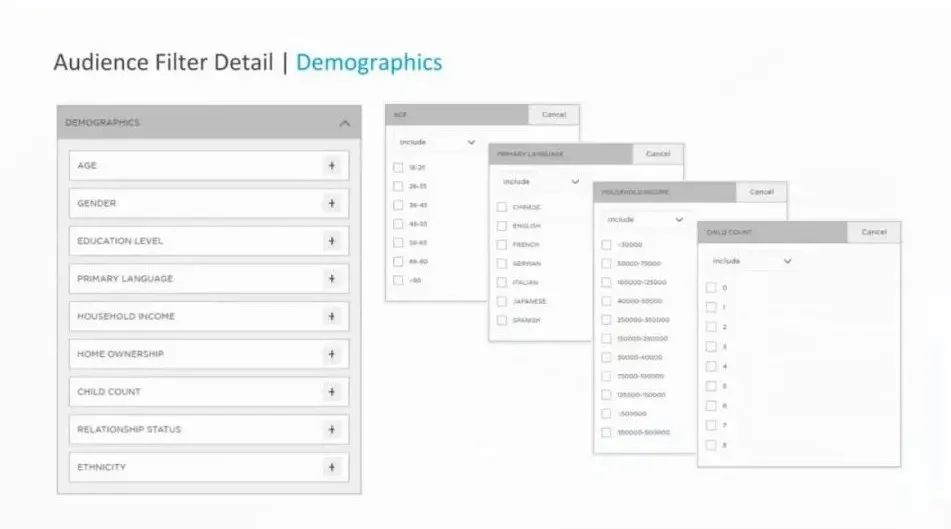
3. Demographic Information (Extended Dimensions)
Beyond common demographic filters like age, gender, and language, more granular dimensions can be used to further refine audiences, including:
- Education Level: Helpful for products targeting users with specific educational backgrounds (e.g., simpler money-making tasks may appeal to users with lower education levels).
- Household Income: Critical for adjusting monetization expectations and ad bidding strategies. For instance, users with higher household incomes may have stronger purchasing power (relevant if the game includes in-app purchases) or higher value for ad impressions.
- Household Structure: Such as “single,” “married with children,” or “multi-person households.” This helps tailor gameplay or reward mechanisms—for example, family-oriented households may prefer games that allow shared rewards.
If a money-making game product aims to target users with specific household income levels (e.g., mid-to-low income groups more sensitive to cash rewards), it can directly use the “household income” dimension to filter and narrow down the target audience.
There are also crowd packages, each of which can be further filtered and adjusted.
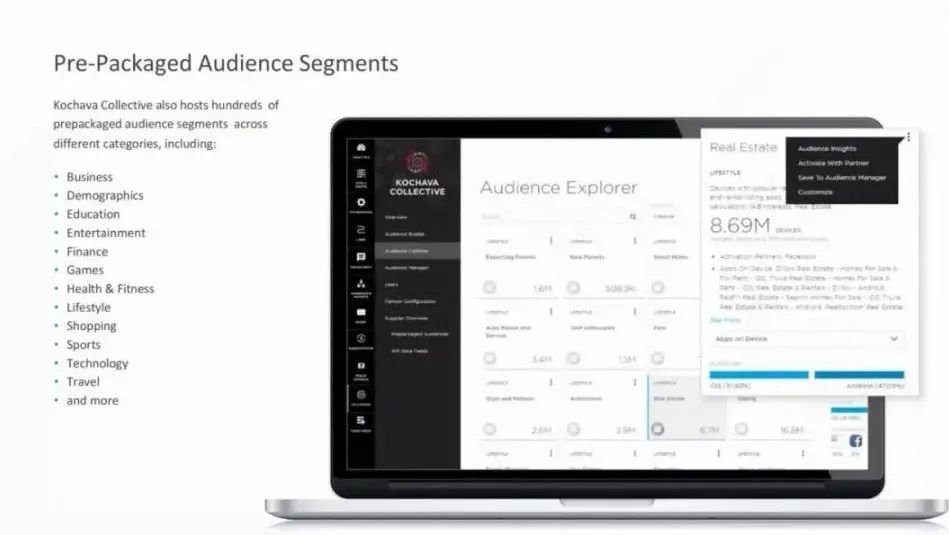
For example, in Apps on Device, you can further add or remove selections, or adjust the Device Recency setting. For example, if you want to query devices that were active in the past 30 days, you can also make further adjustments.
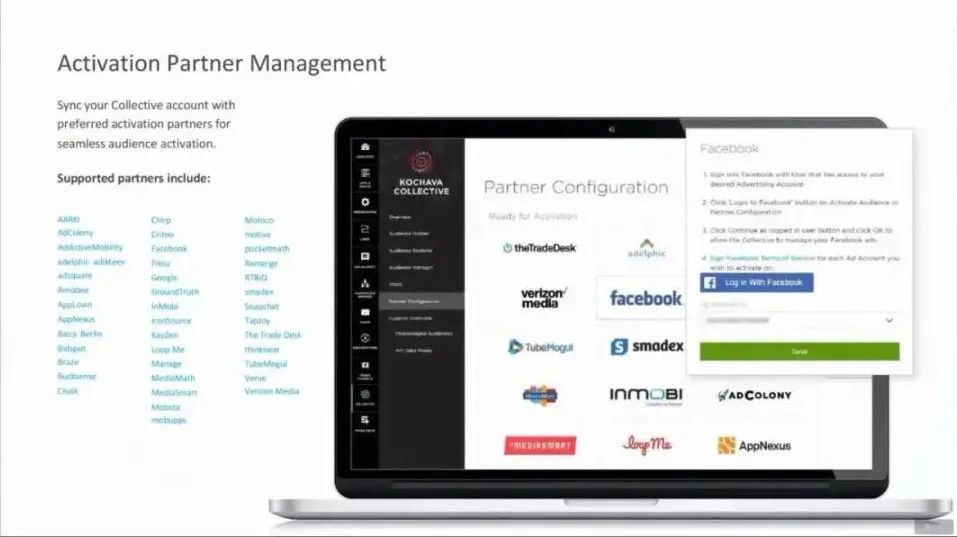
Each configured audience package can be activated on the corresponding media platform.
For example, using Facebook, by logging directly into your Facebook account on the Kochava platform and entering your Facebook.com account information, the audience report will be synchronized to Facebook.
Audience Enrichment
Today, advertisers collect data from both R and Y. Whether they want to verify the data, for example, when users cannot verify the accuracy of information they enter, or to supplement it with additional data dimensions from third-party data pools, all are possible.
Some online earning products currently focus on personalized advertising, which requires further refined segmentation of target audiences, and then delivering relevant advertising formats and content based on the preferences of different user groups.
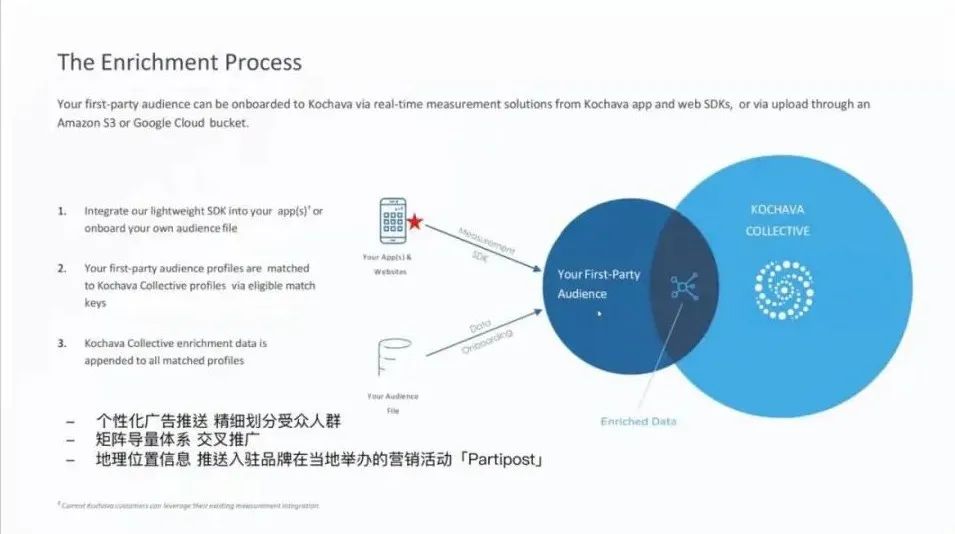
Some leading products have already established their own matrix-based traffic generation systems, requiring cross-promotion.
Newer online earning products, such as Partipost, may prioritize location information, using this information to recommend local partner brands and local marketing campaigns.
In short, these scenarios require refined operations to ensure users are motivated to complete ads or tasks as much as possible without driving them away.
Audience enrichment focuses on two key aspects.
First, the dimensions used to match data. The figure below illustrates four common matching methods.
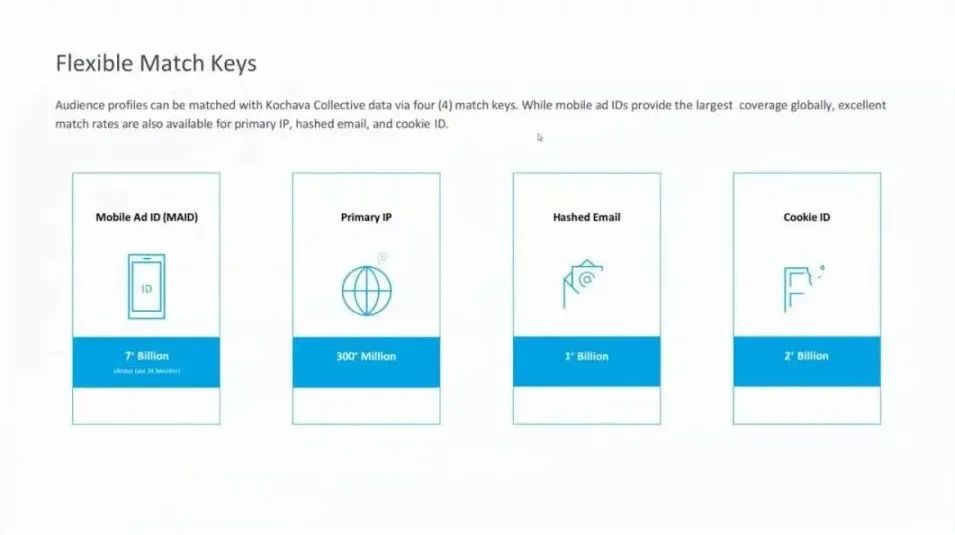
Mobile applications still rely heavily on matching methods such as device ID or hashed email.
Secondly, what data dimensions should be added?
The figure below lists the data dimensions of the raw-level metadata provided by Kochava, such as device app information, related in-app activity and spending, user preferences observed through apps on the device, and information about the carrier or device.
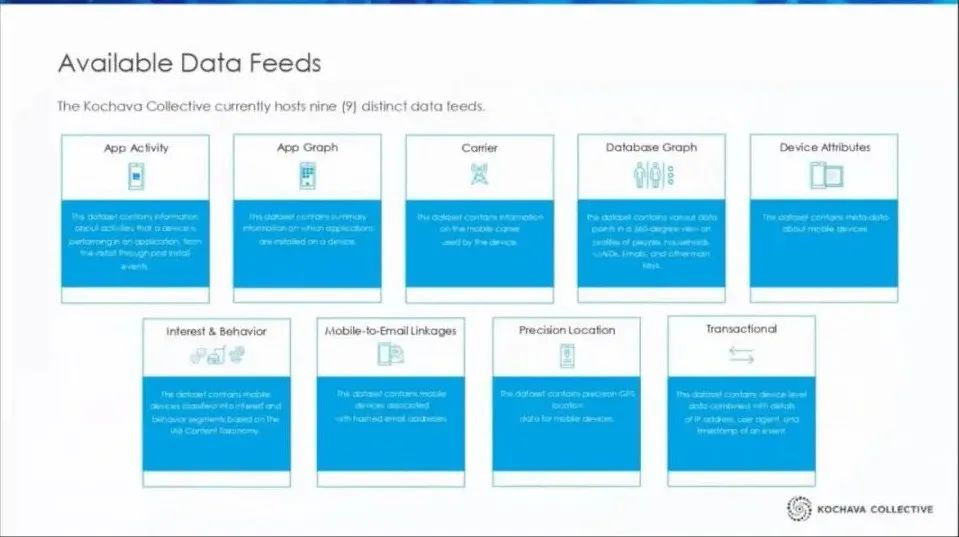
In addition to the aforementioned data dimensions, there is also user statistical information and personal data, such as precise geographic location details. For example, data points include the specific latitude and longitude intersections where a device has been detected, the radius (in meters) of the area it has appeared in, and the exact time points of these appearances.
DMP platforms built on such raw-level data offer relatively flexible collaboration models. Whether it involves matching Device IDs with other required data dimensions, or first defining specific data dimensions and then regularly retrieving corresponding device information, these platforms can accommodate such needs.
The choice of collaboration model depends on the current phase of data requirements and data processing capabilities. This is because the value of data lies not in its volume, but in its practical utility—primarily aimed at improving ROI (Return on Investment) metrics. After all, purchasing and processing data both require investments in human resources, financial costs, and time.
Device Score
Take Device Score as an example: many overseas products still utilize this tool. These products typically have large-scale user acquisition needs and rely on multiple channels. Beyond the commonly used self-attributing major media platforms, they inevitably leverage ad networks and DSPs (Demand-Side Platforms) for user acquisition.
For money-making game products, shifts in platform policies (or changes in platforms’ attitudes—whether relaxed or tightened) may lead developers to avoid over-reliance on a single media platform. Instead, they need to expand their reach across multiple media channels.
A common practice is to rely on first-party data: for devices acquired through a specific channel, developers track users’ subsequent behaviors (e.g., ad interactions, retention, cash withdrawal attempts) after app download and installation. The quality of the channel is then evaluated based on ROI.
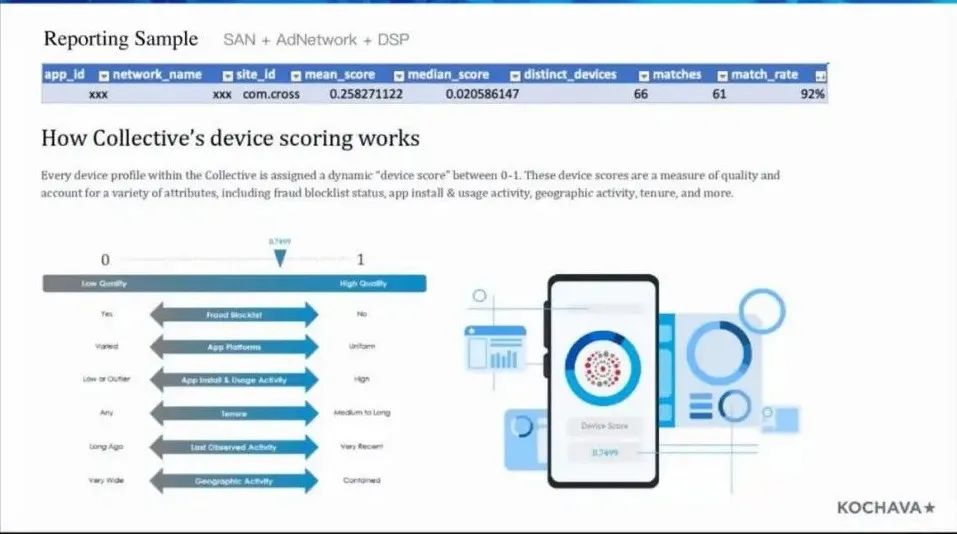
Some advertisers also use third-party data to assess channel quality. For instance, Kochava’s Device Score assigns a score to each device based on several key dimensions. This score represents the quality of the device—for example, advertisers may analyze all Device IDs brought in by a sub-channel under a main channel, and evaluate the overall score of these Device IDs to judge the sub-channel’s effectiveness.
The image below shows a sample report header, listing details such as the app product name, channel name, or sub-channel site ID. Such reports combine data from third-party data pools with user acquisition data to conduct comprehensive channel evaluation.
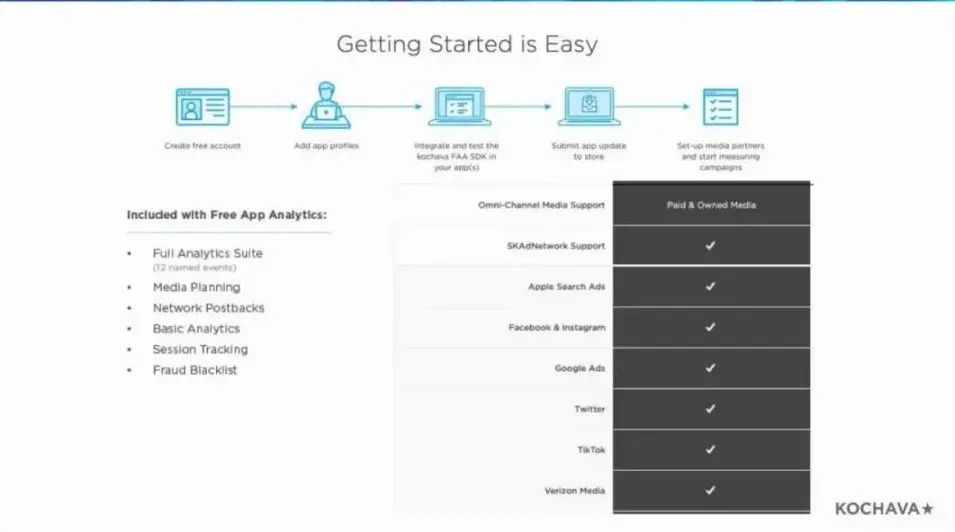
Free App
Kochava offers completely free supply monitoring services.
This solution includes basic attribution functionality and covers all channels—encompassing commonly used self-attributing major media channels as well as owned media channels.
Notably, there is no discriminatory pricing model where owned media channels are free while paid user acquisition channels require payment.
The entire integration process is also relatively straightforward. For many money-making game products that primarily target T3 countries, user acquisition costs are generally low, and they often do not allocate sufficient budget for attribution tools (or simply prefer not to pay for attribution services). For such products, this free solution is a viable option to consider.