After deciding whether to monetize your blog, it’s time to dive into the various approaches to make this a reality. I typically categorize bloggers’ monetization strategies into two main types: direct income methods and indirect income methods.

Direct income methods refer to ways bloggers earn money directly from their blogs themselves. In contrast, indirect income methods involve earning money by leveraging the blog as a tool—the blog acts as a gateway rather than the direct source of revenue. Most blogs focus on one of these two categories, but there’s no rule against experimenting with a mix (though I’ve seen some bloggers run into issues when combining them without careful planning).
This article will break down 7 direct monetization models. I’ll cover indirect methods in the next post of this series. Note that you may come across a few affiliate links throughout this article; these link to services I’ve personally used and found effective.
1. Advertising Placement
There are countless ways to sell ad space on a blog (a topic that could easily be a series on its own), but below are some of the most effective advertising options for bloggers:
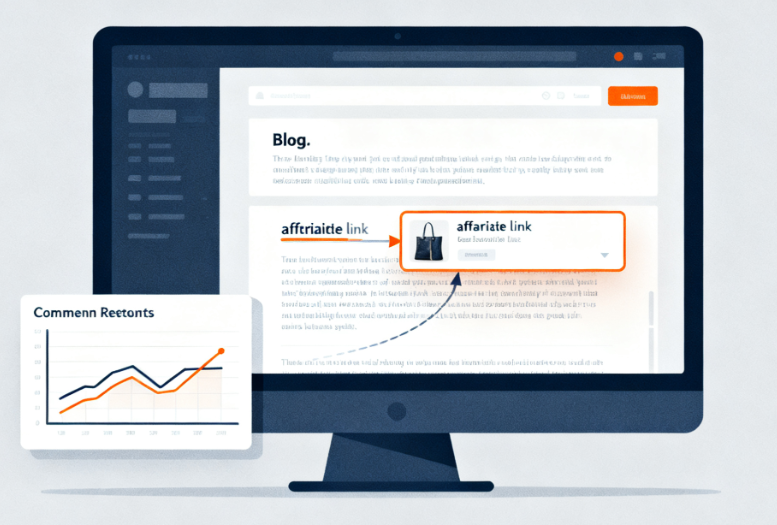
- Display Ads: These include both graphical and text-based ads, which can be placed in locations like the blog header, sidebar, or within the body of your posts. You can use ad services or networks such as Google AdSense, Media.net, or Ezoic to display contextual ads—ads that align with your blog’s content and target audience.
- Native Ads: Native ads blend seamlessly with your blog’s content, creating a non-intrusive advertising experience. Platforms like Taboola and Outbrain offer native advertising solutions, allowing you to display recommended content or sponsored posts that fit naturally with your blog’s style.
- Programmatic Advertising: This method uses automated systems to buy and sell ad inventory in real time. Ad networks like Google Ad Manager let you manage and serve ads from multiple sources, including direct advertisers and ad exchanges, streamlining the ad delivery process.
- Direct Ad Sales: Selling ad space directly to advertisers gives you more control over pricing and placement. You can create an “Advertise With Us” page on your blog to attract potential advertisers in your niche, or use platforms like BuySellAds to connect with brands looking to purchase ad space.
- Sponsored Content/Advertorials: This involves creating content that promotes a specific product or service. You can negotiate sponsored content deals directly with brands or work through marketplaces like IZEA to find collaboration opportunities.
- In-Text Ads: These ads appear as hyperlinked keywords within your blog posts. When users hover over or click on these keywords, a small ad box or pop-up appears. Platforms like Infolinks and Sovrn provide in-text advertising solutions for publishers.
- Rich Media Ads: Rich media ads include interactive elements such as videos, audio clips, or animations, making them more engaging for readers. Platforms like Raptive specialize in delivering high-quality rich media ads tailored to blog audiences.
- Contextual Ads: These ads are targeted based on the content of your blog. They analyze the keywords and context of your pages to display relevant ads, ensuring they resonate with your readers. Ad networks like Media.net and Adversal offer contextual advertising options for bloggers.
When choosing an ad service or network, it’s important to evaluate factors like ad quality, payout rates, user experience, and customer support. Don’t be afraid to test multiple options to find the one that best fits your blog’s niche and audience.
2. Brand Sponsorships
A smaller group of bloggers monetize their blogs by securing their own brand sponsorships—distinct from the automated ad methods mentioned above. While ad networks and platforms help connect you with advertisers (or automate ad placement), as your blog gains more visibility and influence, you may start receiving offers for private sponsorship deals.
Large blog networks often have dedicated teams (often working with ad agencies) to secure sponsors, but small-scale bloggers can also pursue this route. For example, I’ve sold ad space on my blog Digital Photography School for years; as its traffic and reputation grew, it attracted larger companies willing to pay more for exposure. Currently, the blog runs both programmatic ads and occasional sponsorships, where brands can purchase a mix of banner ads, newsletter mentions, and text ads.
If you want to pursue brand sponsorships, focus on partnering with brands in your niche whose products or services align with your blog’s content. You can offer various sponsorship packages, including banner ads, button ads, text links, newsletter shoutouts, or even sponsored individual posts. Always be transparent with your readers—clearly label sponsored posts to maintain trust.
3. Affiliate Marketing Programs
Affiliate marketing lets you earn a commission when you refer a reader to a company, and that reader makes a purchase. One of the most popular affiliate programs for bloggers is Amazon Associates, which offers access to tens of thousands of products (I’ve written a review of this program here). Other affiliate networks that aggregate products from multiple brands include Linkshare, Commission Junction, Clickbank, Shareasale, and Impact.
Affiliate marketing requires more effort than advertising (you’ll need to create content that drives conversions, for example), but it can be highly profitable if you match the right affiliate program to your blog’s topic. The key is to promote products or services your audience will actually find valuable.
4. Blog Selling/Flipping
Many bloggers dream of selling (or “flipping”) their blog someday, but in reality, this is still relatively uncommon—though I believe this is changing. Some bloggers start a blog with the sole goal of selling it later, but few succeed with this approach. Instead of building a blog “to flip,” focus on creating a high-quality site with a large, engaged readership and a steady income stream. If you do this, potential buyers will naturally be interested down the line.
Once your blog becomes a viable business asset, you can list it on platforms like Flippa, Empire Flippers, or FE International to connect with buyers. These platforms help streamline the selling process, from valuing your blog to negotiating the sale.
5. Donations and Tip Jars
Some blogs earn money through voluntary payment platforms like Ko-fi and Buy Me a Coffee. To succeed with donations, you’ll need a large, loyal readership (a audience with disposable income doesn’t hurt either). Unfortunately, most bloggers lack the audience size or “cult following” needed to make this method profitable. As a result, many bloggers now offer premium content behind a paywall (see below) instead of relying on donations. A great example from the podcast world is Dan Carlin’s Hardcore History—he regularly asks for donations and receives significant support from his audience.
6. Merchandise Sales
Another monetization method used by some blogs is selling merchandise like T-shirts, mugs, stickers, or hats featuring the blog’s name, logo, or taglines. This works best if you have either: a) a uniquely designed merchandise line that appeals to your audience, or b) a “cult-like” following—readers who are highly passionate about your blog and want to show their support. Certain blog niches (e.g., lifestyle, hobby-focused blogs) are more suited to merchandise sales than others.

7. Subscription Services
Charging readers for access to content is a growing trend, especially in the podcasting space—and blogs are starting to adopt this model too. While many community membership sites already use subscriptions successfully, bloggers face a unique challenge: most blog topics have free alternatives available online. To make subscriptions work, you’ll need two key things:
- Premium/Exclusive Content: This could be in-depth guides, behind-the-scenes content, or access to a private community that readers can’t get for free.
- Expertise and Audience Loyalty: You need to establish yourself as an expert in your niche and build a community of engaged readers who feel connected to you and your blog.
Patreon is the leading platform for subscription-based monetization. A great example I’ve recently come across is the Tooth and Claw podcast, which alternates between free episodes and paid episodes available exclusively to Patreon subscribers.
In the next post of this series, I’ll explore the indirect methods bloggers use to earn money—ways to leverage your blog to create income outside the blog itself.