
Approximately 45% of Americans have a side gig or a second job. For most people with a side gig, the earnings aren’t life-altering—only 10% bring in over $1,000 per month. But even if the income from your side work isn’t substantial, it can still help cover bills, boost monthly savings, or let you spend more on things that make you happy. Not all side jobs are the same, though—some offer a far better return on the time you put in than others. Here are the top side gigs to consider in 2025.
1. Leverage your current skills or expertise

The fastest way to build a successful side gig is likely to turn your existing skills into income. These skills can be anything—they might not even be the ones you use in your main job. If you’re bilingual, for example, you could tutor students who speak your second language and want to learn your first (or the other way around). If you’re good at web design, give that a try. If you enjoy being outdoors, maybe take up landscaping or lawn mowing.
Don’t limit your options, and don’t be scared to test something that might not work out. A side gig lets you dip your toes in the water and take risks you couldn’t with your main income source. If your big idea falls through, you’re no worse off than when you started.
2. Resell items online

I’ve been reselling things online for years, and while you can definitely make good money at it, there are plenty of misunderstandings. Reselling isn’t passive income, and it’s not easy work. Building a stable, profitable reselling business takes time. The space is also highly competitive now, so you’ll need to be smarter and work harder than others to earn well. That said, I still think it’s a solid way to make extra cash.
You can start reselling as soon as today. Begin small by selling things around your house you no longer use—electronics, clothes, collectibles, video games, household items, whatever. If it’s in your home, chances are you can sell it online. Once you’re comfortable selling your own stuff, try buying items specifically to resell. You can find things to flip at thrift stores, yard sales, estate sales, auctions, and more. Usually, the most in-demand items are hard to track down, but niche products are often overlooked—and they can sell for good money.
3. Well-paying seasonal jobs
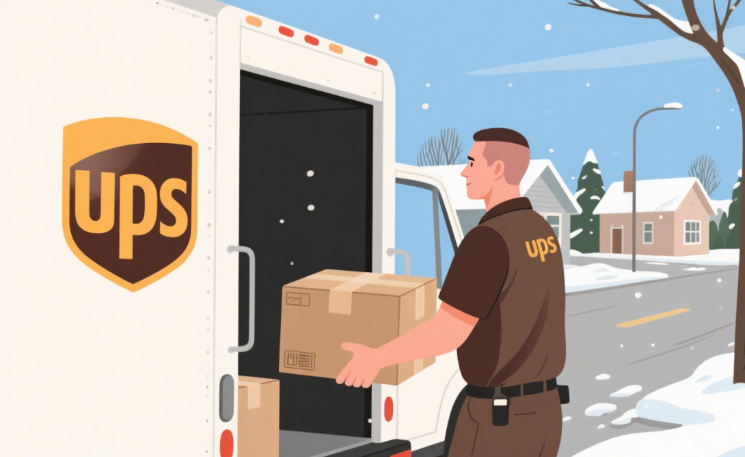
Side gigs can also be regular roles you take on top of your main job. Many businesses have busy seasons when they need seasonal workers, and some of these roles pay quite well. UPS, for example, offers well-paying seasonal positions that could even help you land a permanent role. It’s not unusual for full-time UPS drivers to earn over $100,000 annually, and it’s a union job with benefits like health insurance, a pension, and tuition financial aid.
4. Promote your services on platforms like Upwork and TaskRabbit

If you want to start your own small business, platforms such as Upwork, Fiverr, and TaskRabbit can connect you with clients who need your services. The services offered here range from specialized tasks like writing, logo design, and marketing to more hands-on work like assembling furniture or mowing lawns—pretty much everything in between. Fiverr and Upwork are global, so you might compete with people who can provide similar services at a lower rate because of lower living costs. But many clients prefer working with someone in the same country and are willing to pay more for high-quality work.
5. House-sitting or pet-sitting

If you like animals or prefer spending time alone, pet-sitting or house-sitting could be the perfect side gig. You can use apps like Rover to get started, or go old-school by putting up posters on streetlights or posting ads on Craigslist. People care a lot about their pets (or their homes) and are willing to pay well for someone to look after them while they’re away. For pets, staying at home is often less stressful and more enjoyable than being boarded at a kennel.
If you do a great job pet-sitting, don’t hesitate to set higher rates. The pet sitter we usually hire is a vet student at UGA, and she takes amazing care of our cats. She charges more than any other sitter we’ve tried, but she looks after the cats so well that we can truly relax on vacation. That hasn’t always been the case with past sitters, so we’re happy to pay more for peace of mind (and happy cats).
You might notice that some popular side gigs—like food delivery or driving for rideshare companies—aren’t on this list. While these can work as income sources for some, many areas are flooded with gig workers, and it’s hard to even earn minimum wage once you account for all your costs. Lots of drivers don’t realize how little they actually make because they don’t factor in things like vehicle wear and tear, gas costs, time spent waiting between jobs, and other expenses.
Detailed analyses of real driver pay after expenses are hard to find—companies only share gross pay before expenses or taxes. But one analysis found that after accounting for all costs and operating expenses, DoorDash drivers earn an average of $1.45 per hour, with many losing money. A writer who tried driving for Uber last year found they earned $10.49 an hour after covering gas costs. That might sound okay depending on where you live, but they didn’t factor in vehicle wear and tear. If you deduct the IRS standard mileage rate of $0.70 per mile, they actually lost money driving for Uber.
Side gigs won’t make you wealthy fast, and they typically require a lot of effort. Be cautious of anyone who claims otherwise. They can, however, help you build wealth slowly. If you can invest an extra $200 each month from your side gig—a totally reasonable amount—you could have nearly $500,000 more by the time you retire (assuming you start at 30, retire at 65, and earn an 8% return). Check out our new compound interest calculator to see what your side gig could grow into.